

STRANGE RULES
curated by Mat Dryhurst, Holly Herndon, and Hans Ulrich Obrist
with Adriana Rispoli
Joshua Citarella, Harold Cohen, Primavera De Filippi, Simon Denny with Venkatesh Rao, Stephanie Dinkins, Fabien Giraud, He Zike, Holly Herndon & Mat Dryhurst, Lynn Hershman Leeson, Ho Tzu Nyen, New Models, Ayoung Kim, Agnieszka Kurant, Michael Levin, Trevor Paglen, Philippe Parreno, Lorenzo Senni, Avery Singer, Ken Stanley, sub, terra0
May 4 – November 22, 2026
–
The project marks a significant evolution in the Palazzo’s mission to serve as a living site of contemporary production which brings the humanities and sciences together.
Strange Rules introduces the concept of Protocol Art, a practice that engages with the underlying rules that dictate how culture is produced, distributed, and perceived in a digital age. These rules frequently manifest as algorithms, artificial intelligence models, computer protocols, platforms, and various technological infrastructures. Protocol Art does not simply use these tools; it exposes, analyses, and transforms them into artistic material itself.
Consequently, the artwork is not merely a final product, it is a process governed by instructions, representing the invisible architecture that enables the aesthetic experience. This shift in perspective – moving from the object to the system, and from the singular author to collaboration and ultimately human-machine co-creation – defines one of the most urgent territories in contemporary research.
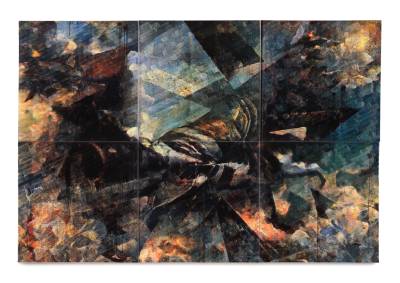
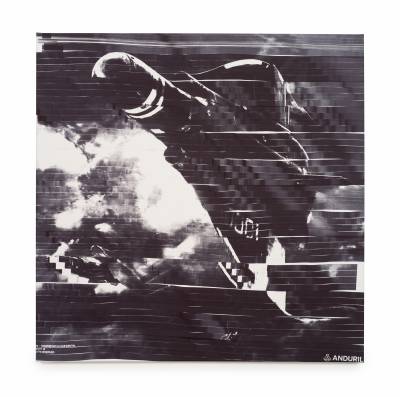
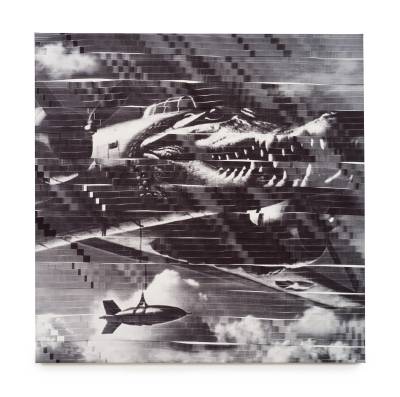
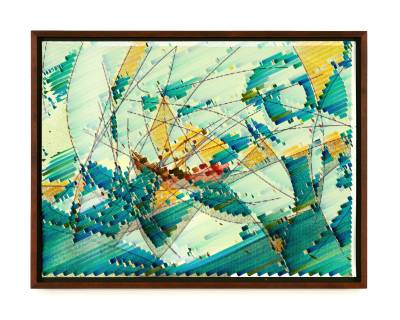
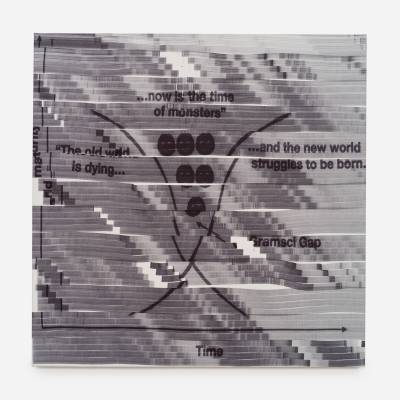
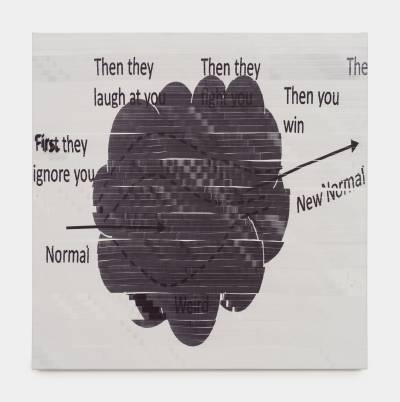
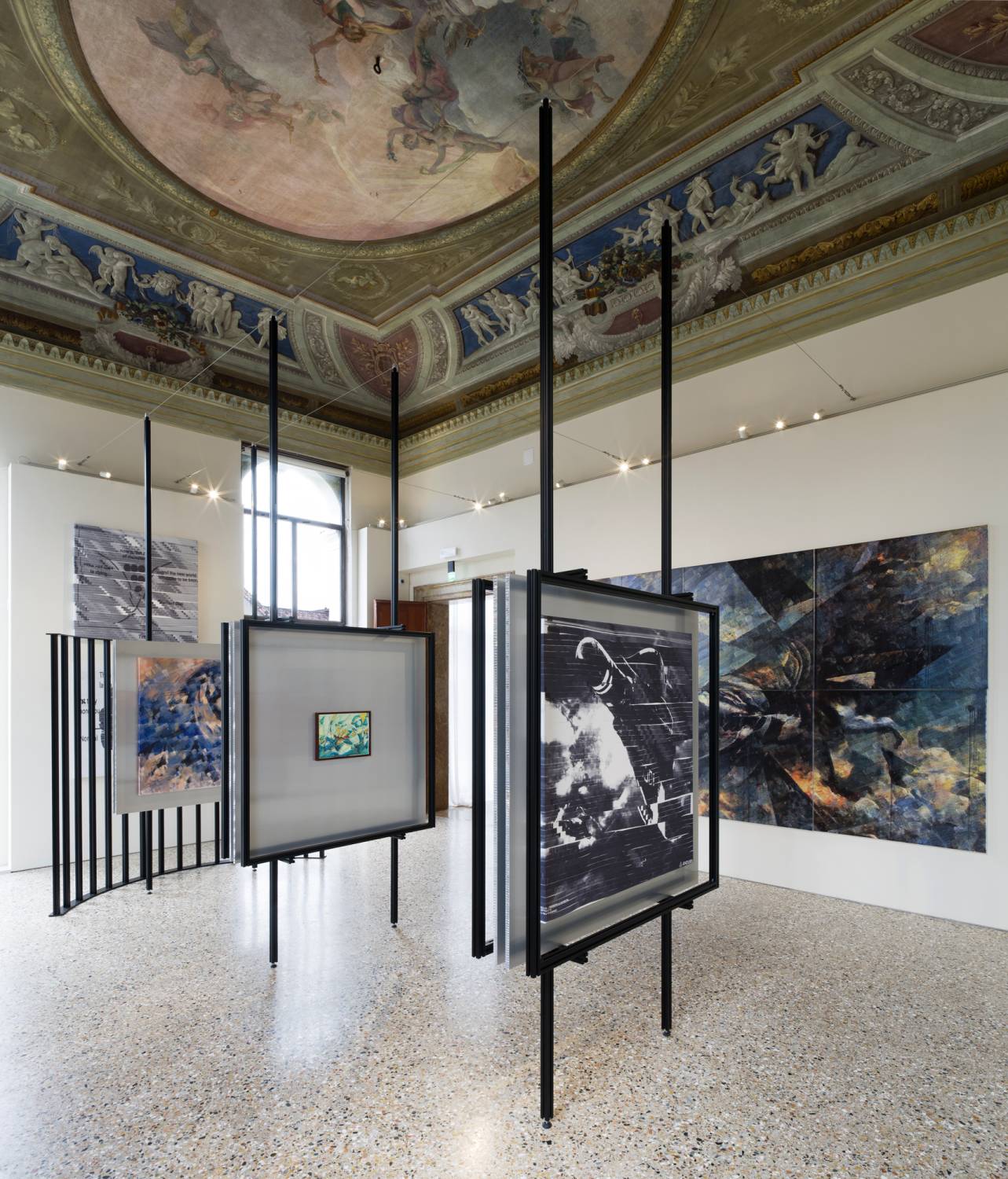
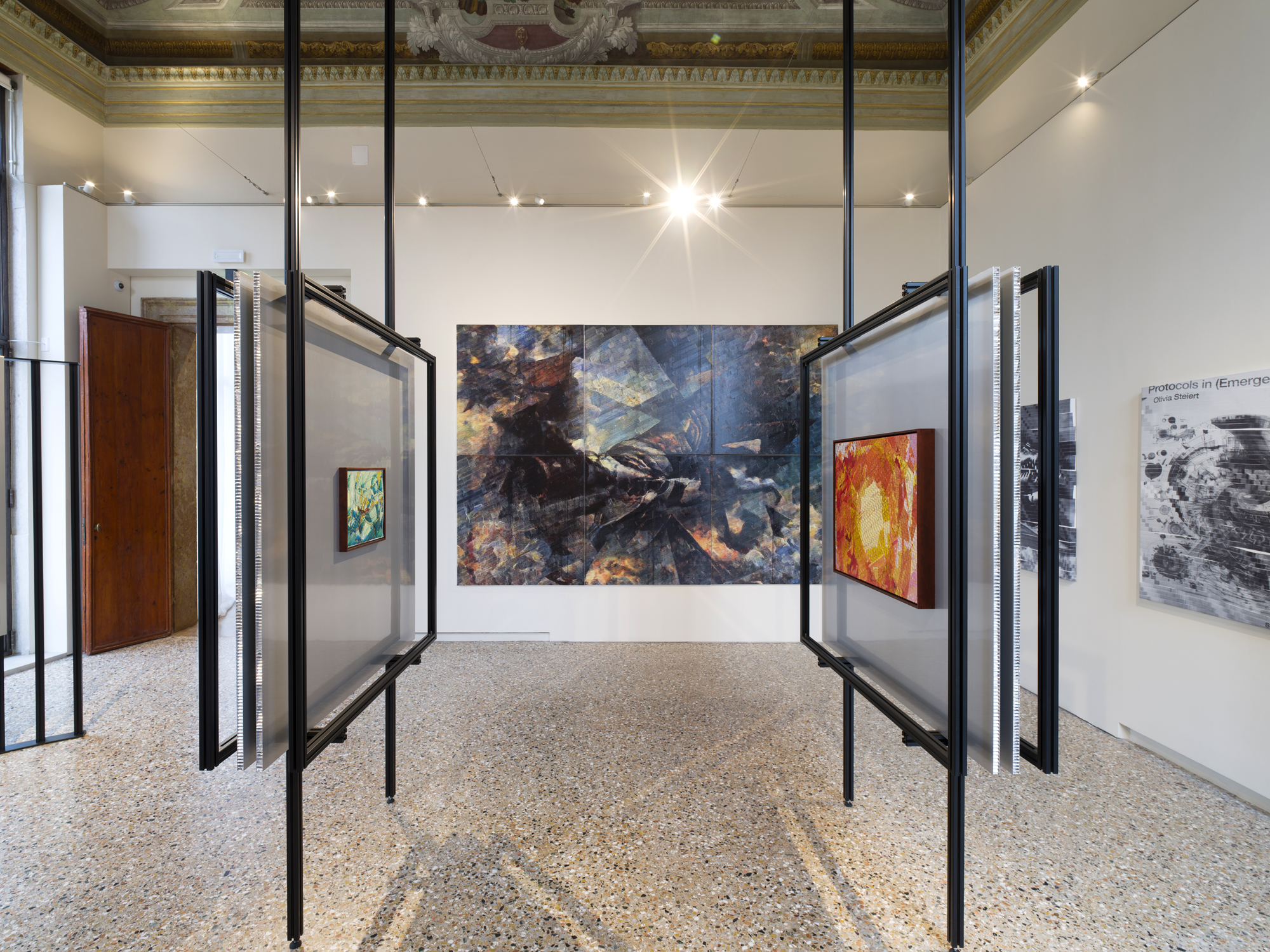
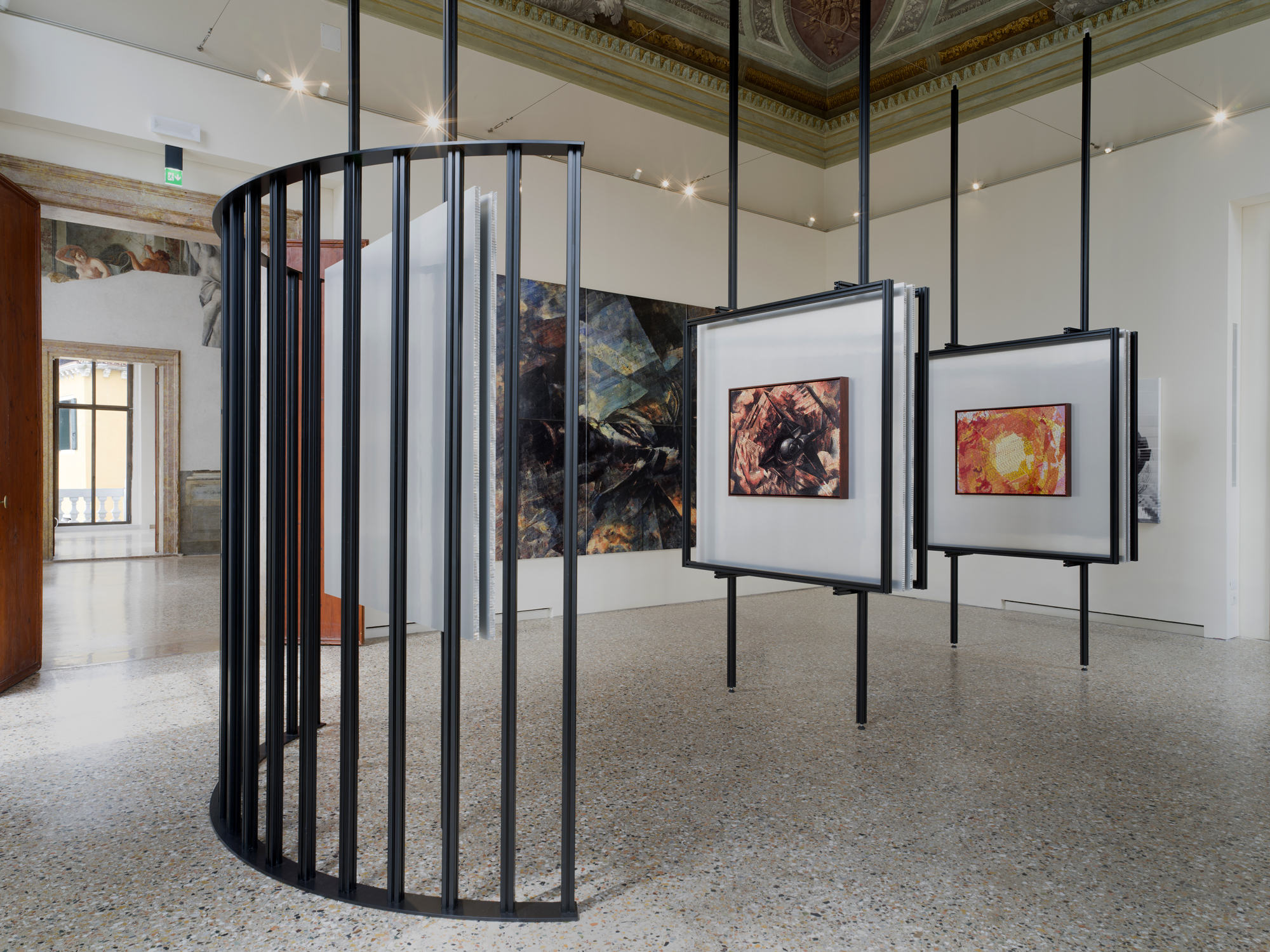
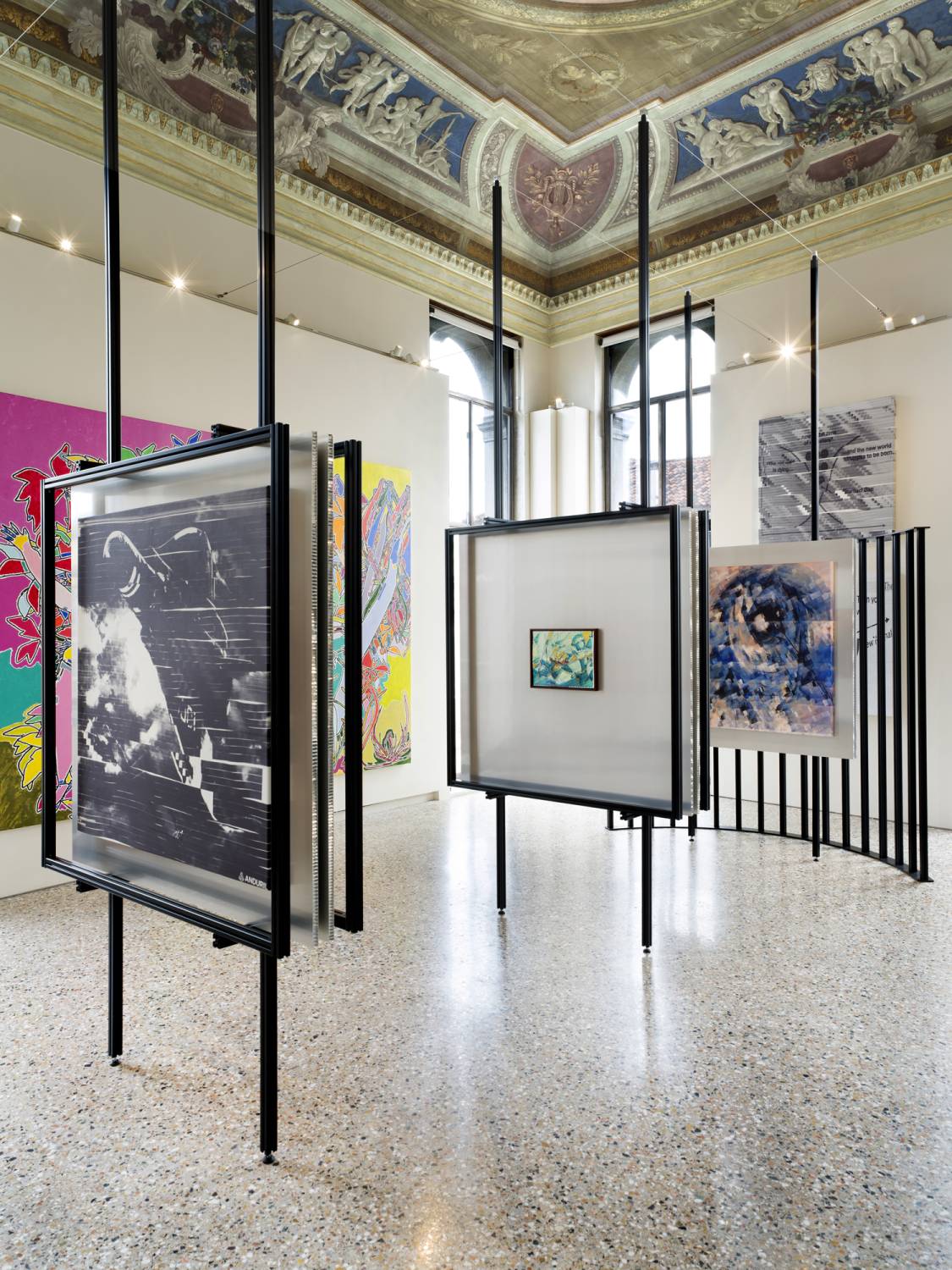
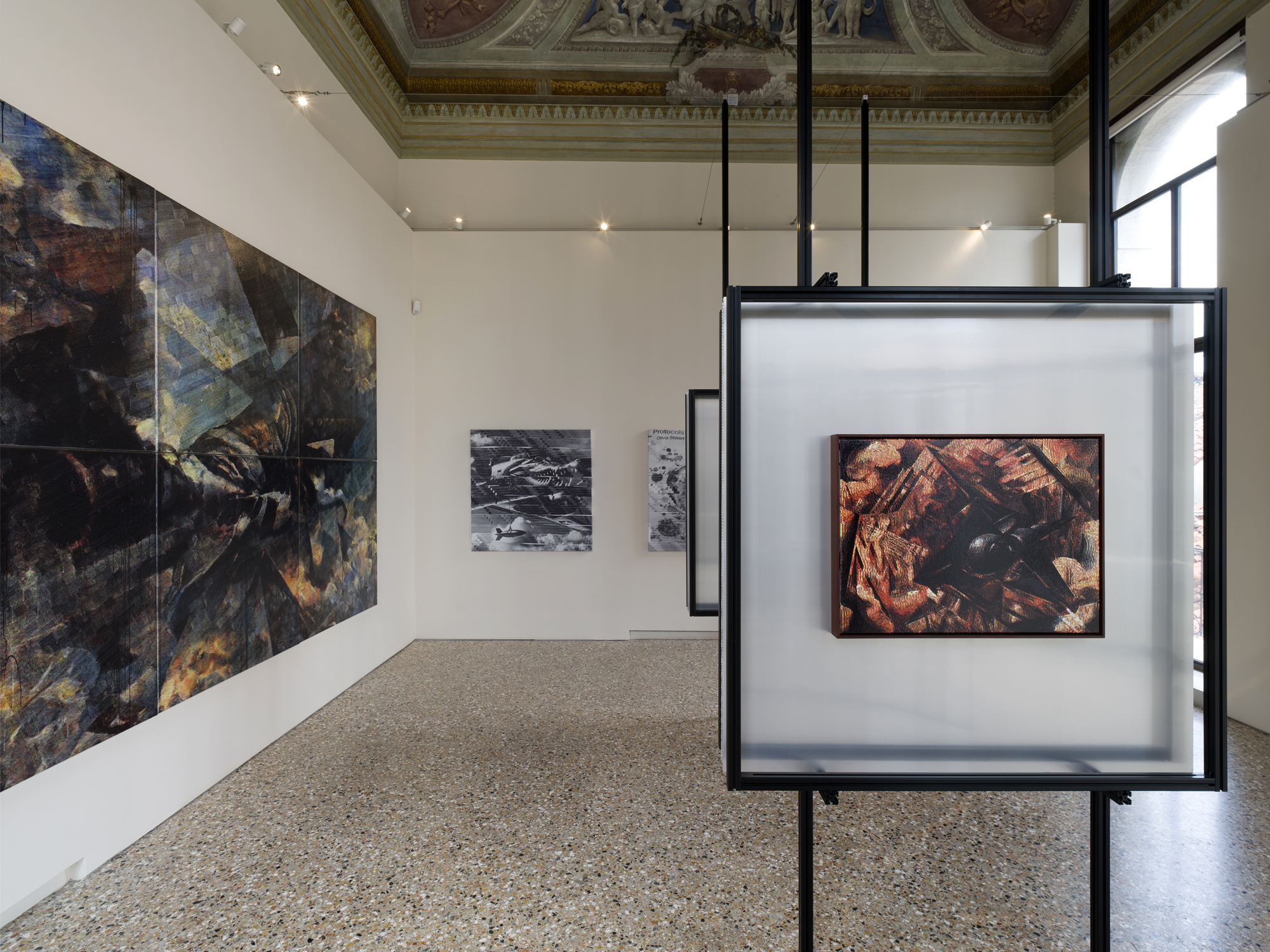
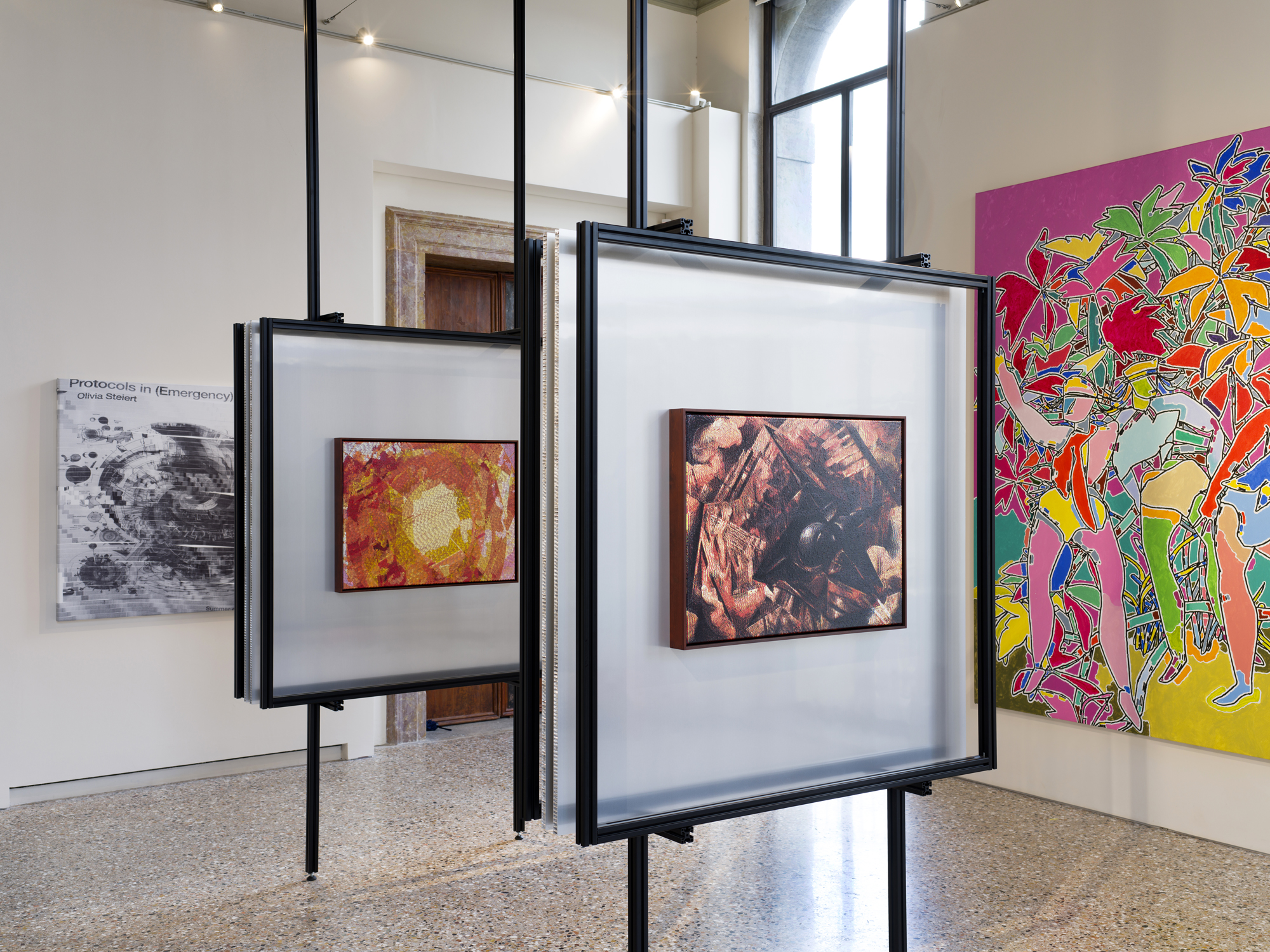
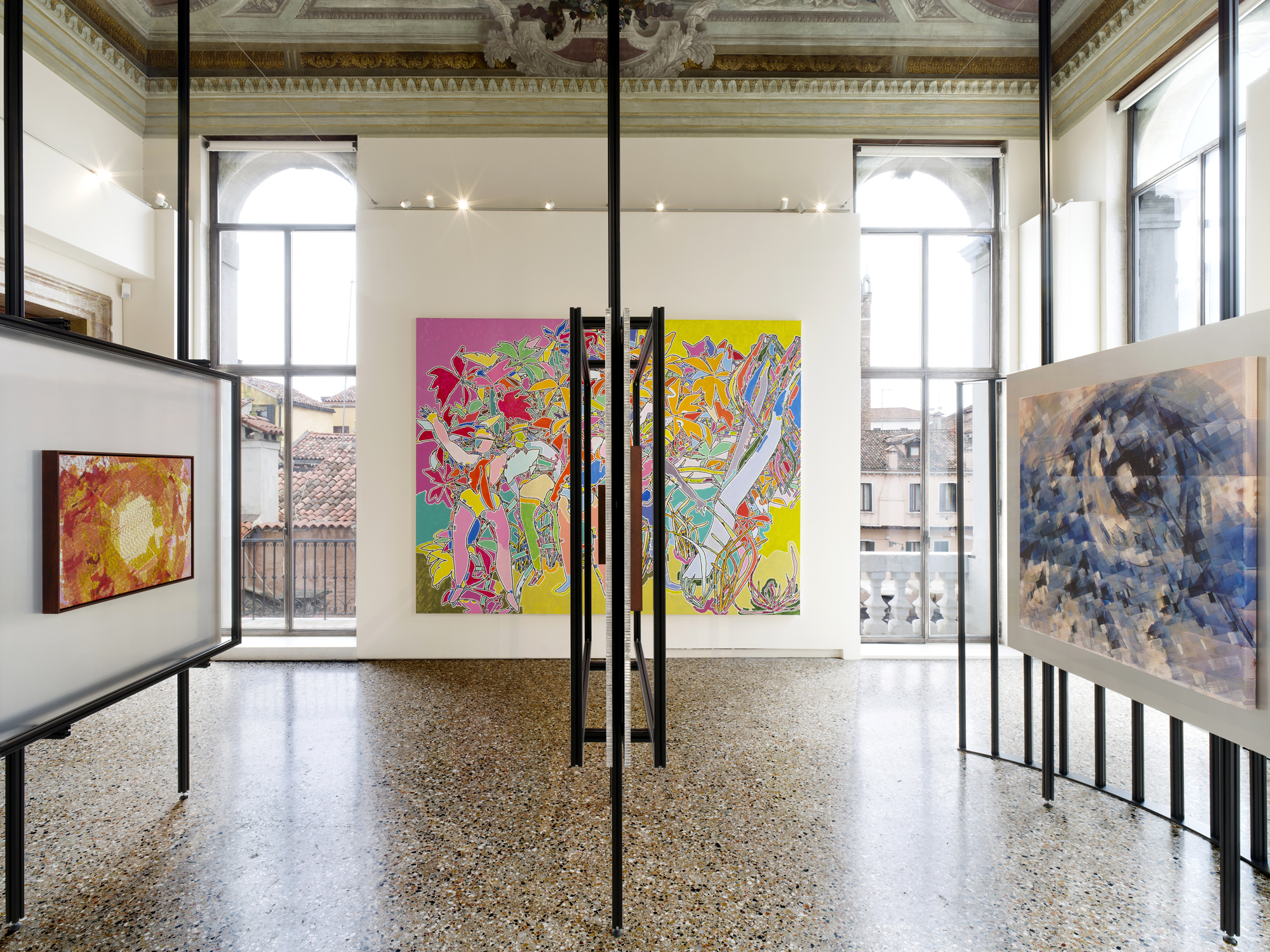
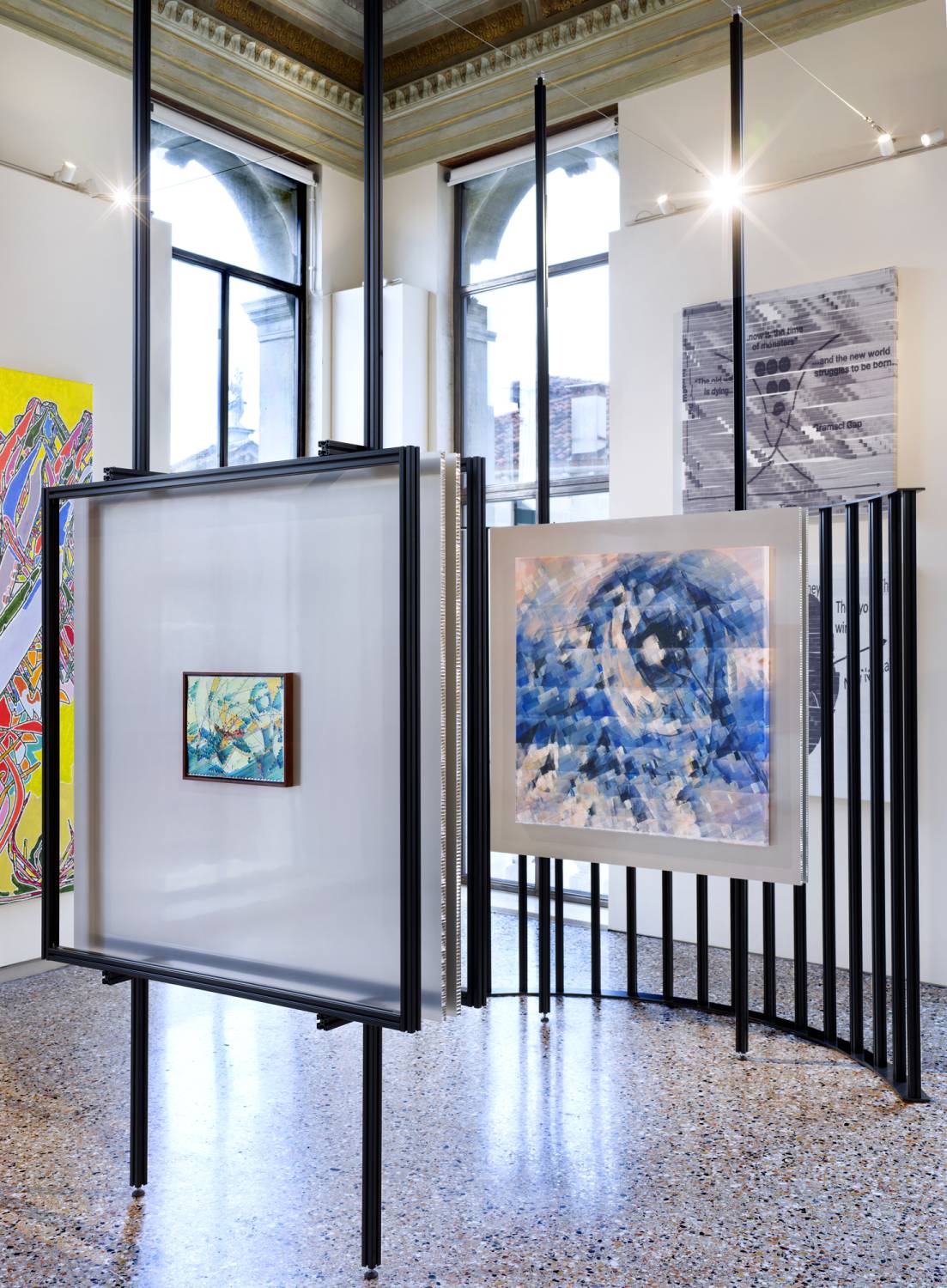
For Strange Rules, Simon Denny presents an installation in dialogue with the teories of Venkatesh Rao—a pivotal figure for artists and technologists alike. Known for his reflections on emerging technology, Rao developed the Protocol Institute; an independent research organization dedicated to the study of protocols. Drawing from the concept of the “Gramsci Gap,” elliptically referred to in the title of the work, the installation explores a transitional phase where the old world dissolves while the new struggles to emerge. This friction gives rise to “monsters,” manifested here through artificial intelligence, cryptocurrencies, and digital platforms.
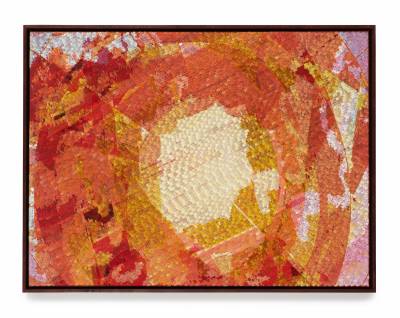
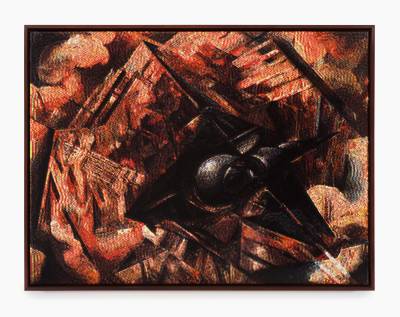
The project utilizes generative visual systems and processes derived from computational painting programs. Denny applies his own Al protocols to Rao’s series of clip-art style motifs, resulting in machine-assisted pictorial experiments. Produced using experimental printing techniques, the works cross-reference Futurism with a military aesthetic used for defense communications. These pictorial experiments are presented within a setting that intertwines modernist design like Franco Albini with high-tech trade fair displays. Finally, a work by pioneer Harold Cohen provides a vital historical counterpoint, offering a comparison with the earliest experiments in art and Al.